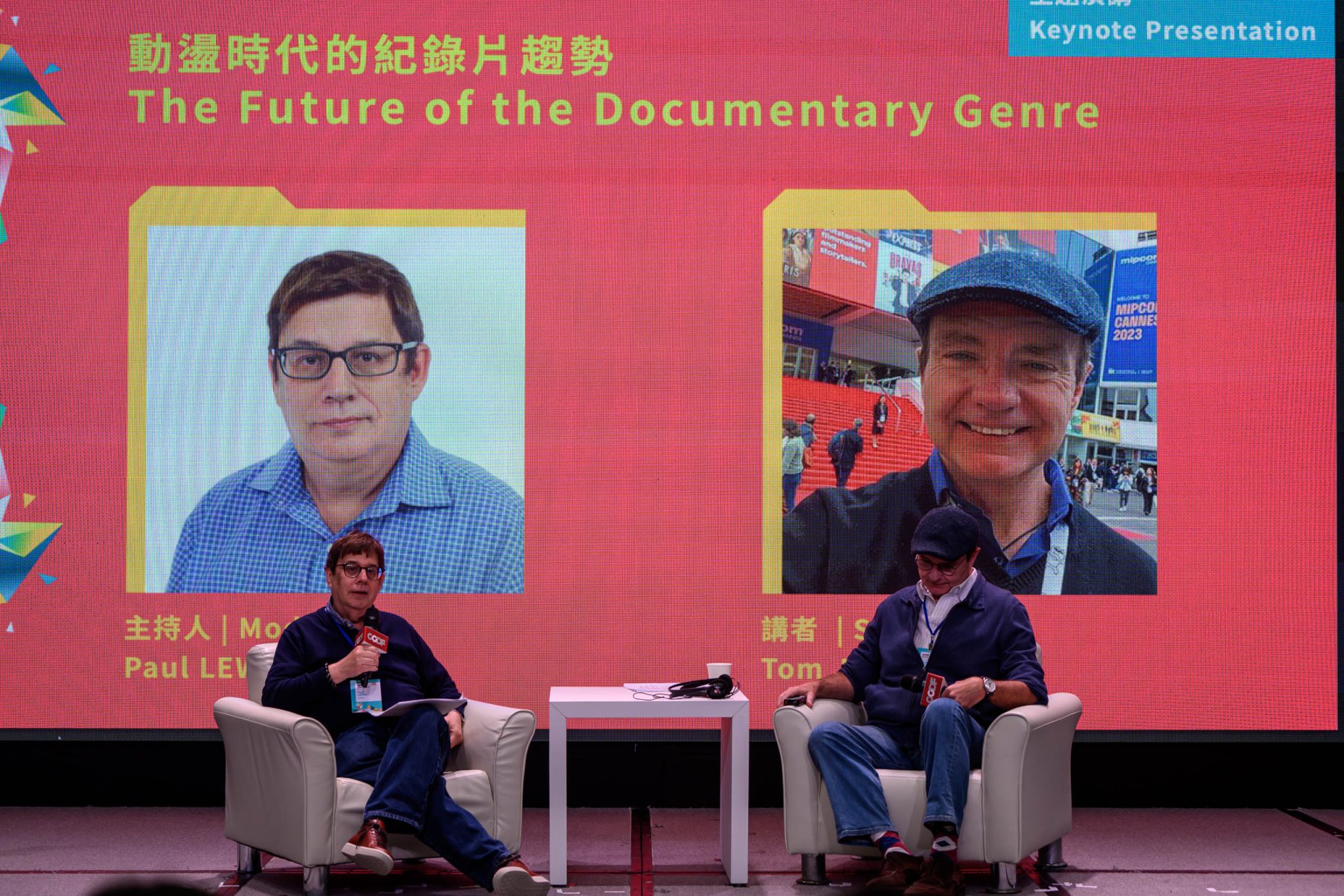
Tom Jennings: The Future of the Documentary Genre
(Keynote Presentation on CCDF-16)
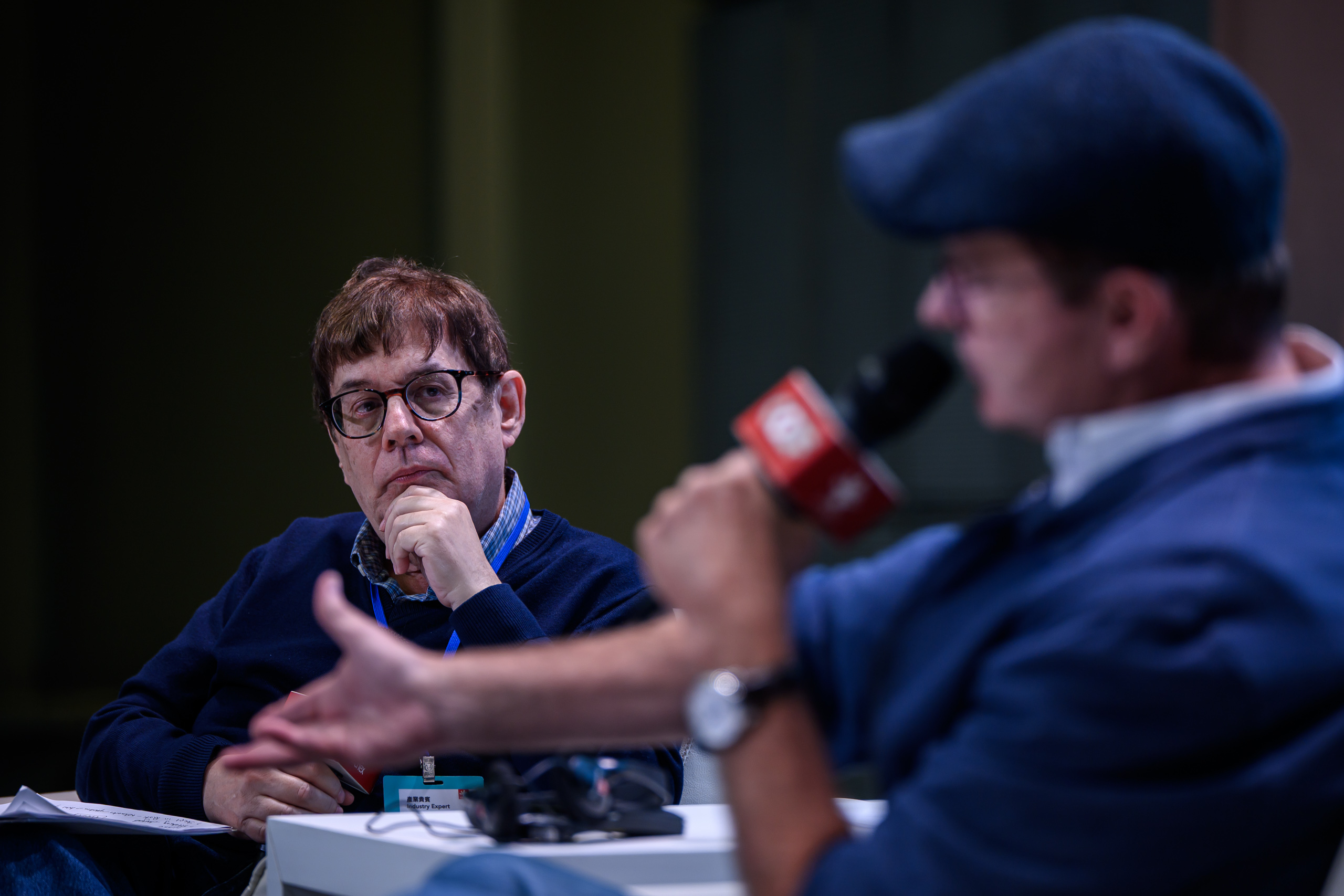
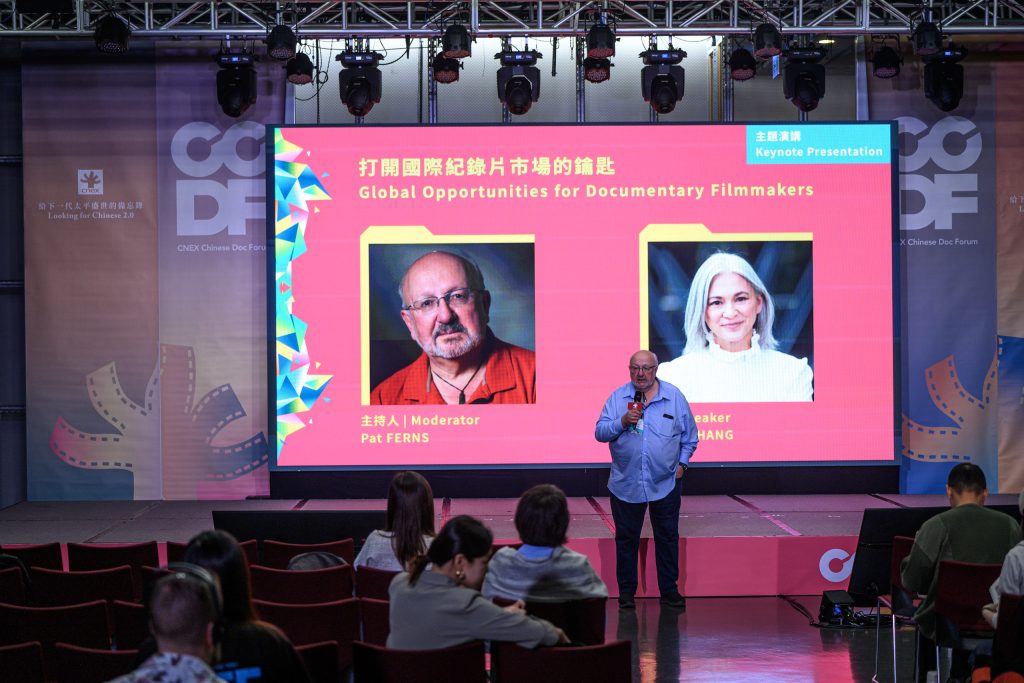
At this year’s CCDF Forum, esteemed American filmmaker Tom Jennings offered a candid and panoramic examination of today’s nonfiction landscape—what moderator Paul Lewis described as a “perfect storm” for the industry. With disarming humor and decades of hard-earned perspective, Jennings traced his path into documentary filmmaking, reflected on the fundamental shifts reshaping the field, and shared grounded advice for emerging creators navigating an increasingly challenging market.
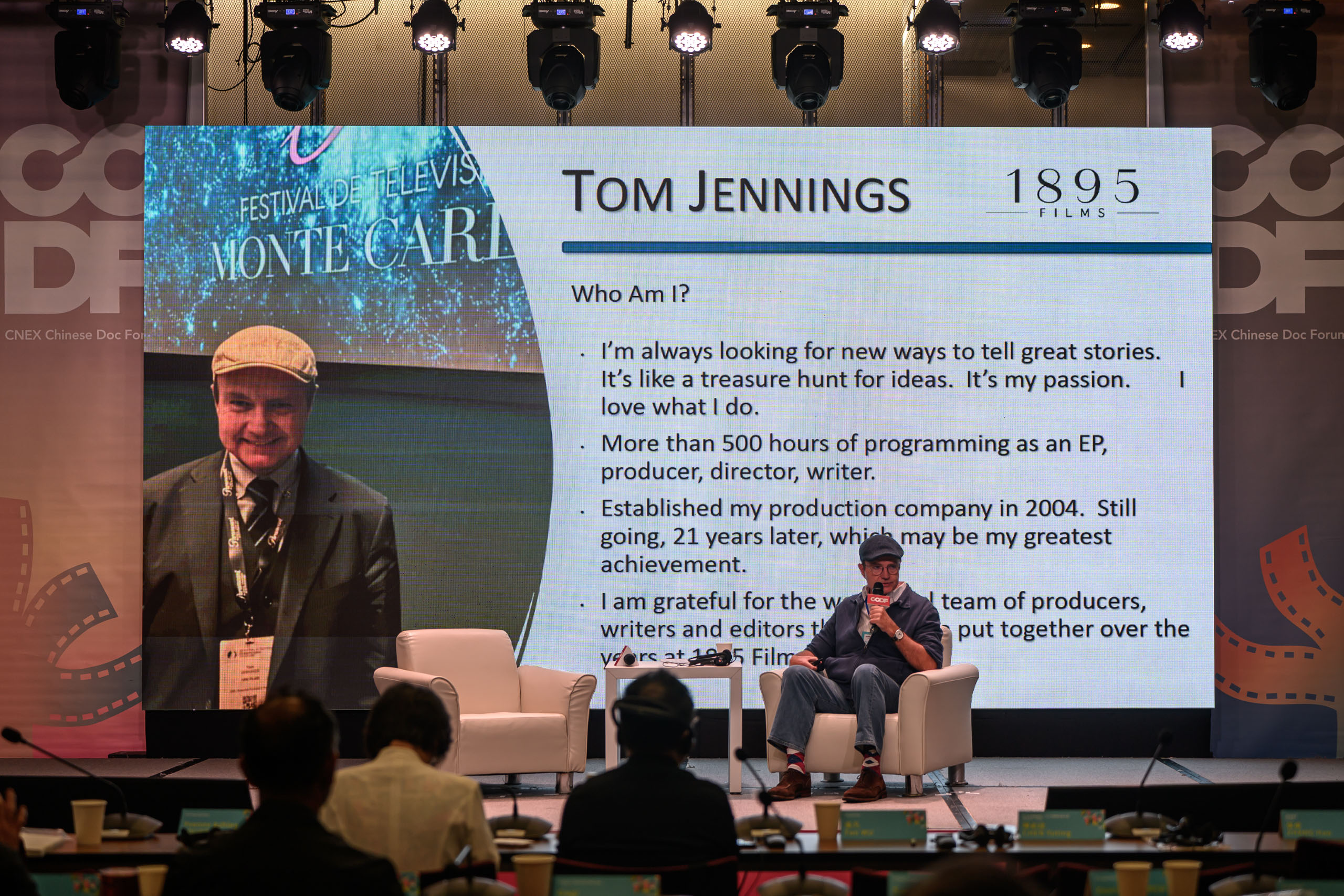
Jennings opened by acknowledging the pressures squeezing documentary production worldwide: shrinking budgets, market consolidation, rising competition, the dominance of streamers, and the unpredictable impact of artificial intelligence. Yet he struck a tone of pragmatic optimism, emphasizing that curiosity, persistence, and craftsmanship remain at the heart of the field’s most compelling work.
He began by recounting the unlikely origins of his career. Before transitioning into film, Jennings spent several years as a news journalist. “I was like a five-year-old constantly asking ‘why?’” he said. That relentless curiosity eventually pulled him into documentary storytelling almost by accident, after burning out on daily journalism in late-1990s Los Angeles. A chance assignment writing for the Discovery Channel opened the door to a new professional identity—one that allowed him to travel widely, interview extraordinary figures, and build a library of more than 500 hours of programming.
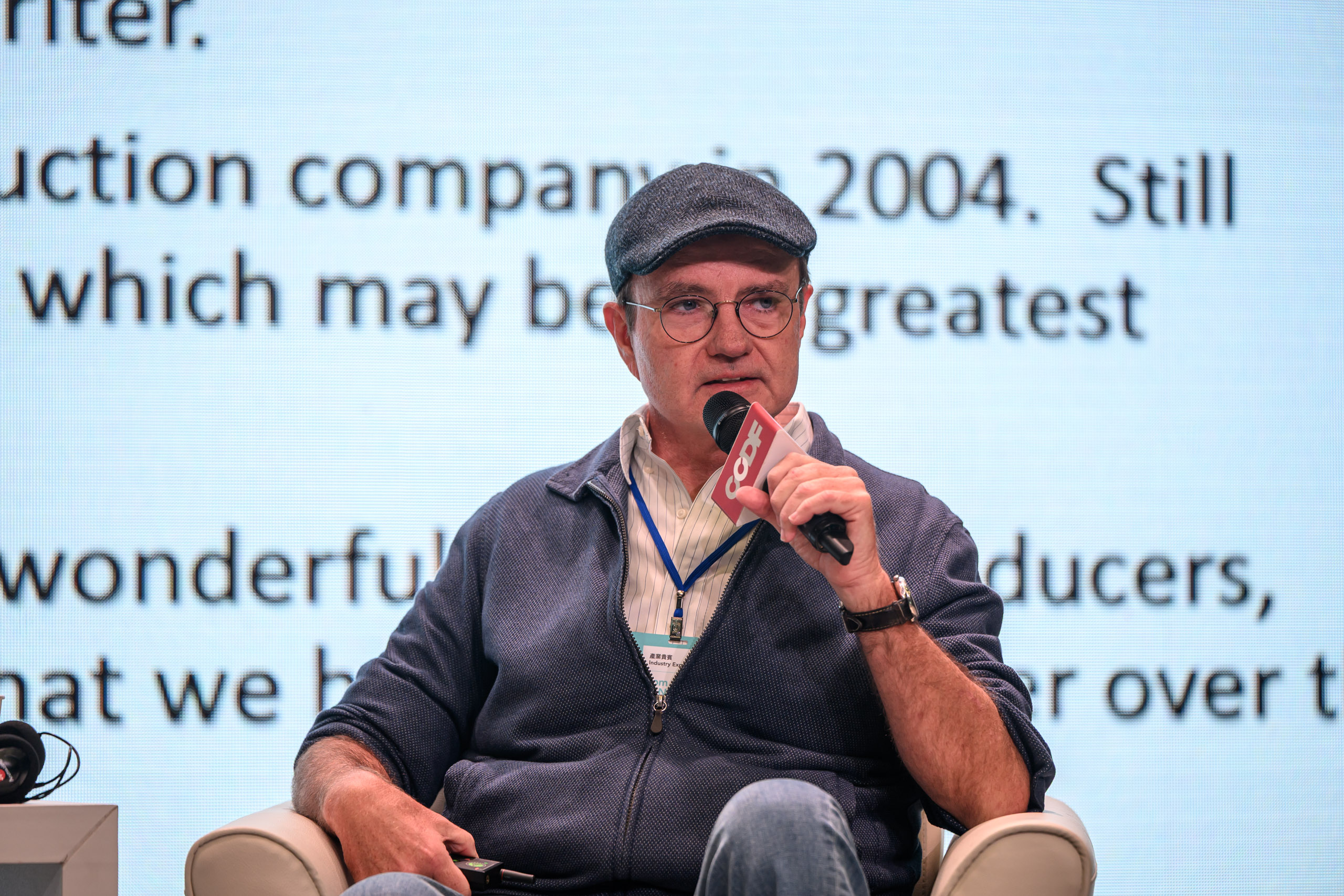
Without formal film training, Jennings treated every shoot as his own film school. By shadowing camera crews and asking endless questions—“What’s three-point lighting? Why do you need depth of field?”—he taught himself producing, directing, and visual storytelling. In 2004, he founded 1895 Films, named for the year the Lumière brothers unveiled the motion picture camera. Two decades later, he noted, simply surviving as an independent documentary company feels like an achievement in itself.
Jennings’ body of work encompasses award-winning historical and archival films, including MLK: The Assassination Tapes (Peabody Award), Challenger Disaster: Lost Tapes (Emmy Award), and Apollo: Missions to the Moon (Producers Guild of America Award). He described these not as prestige milestones, but as the outcome of a lifelong obsession with discovering new ways to tell well-known stories.
One example was Out of Left Field: The Making of the Chinese Baseball Team, a personal passion project that followed two American coaches brought in by Major League Baseball to prepare China for the 2008 Beijing Olympics. The cultural dissonance yielded moments of unintentional comedy: translators misidentified baseball bats as golf clubs, and coaches needed special permission simply to confer with pitchers through an interpreter. Jennings financed and filmed the project himself over two years, convinced it was a once-in-a-lifetime story.
He also revisited the creation of Diana: In Her Own Words, built from seven hours of secret audio recordings Princess Diana made for author Andrew Morton in 1992. Initially rebuffed—“Get in line, mate, you’re the 2,000th producer asking for those tapes”—Jennings eventually persuaded Morton by proposing a radically different approach: no narration, no contemporary interviews, only Diana’s voice shaping the narrative. Hearing the tapes for the first time in a rain-soaked London office felt, he said, “as if Diana was sitting in the room with us.” The film premiered on National Geographic and later surged into Netflix’s Top 10 during the release of The Crown’s fourth season.
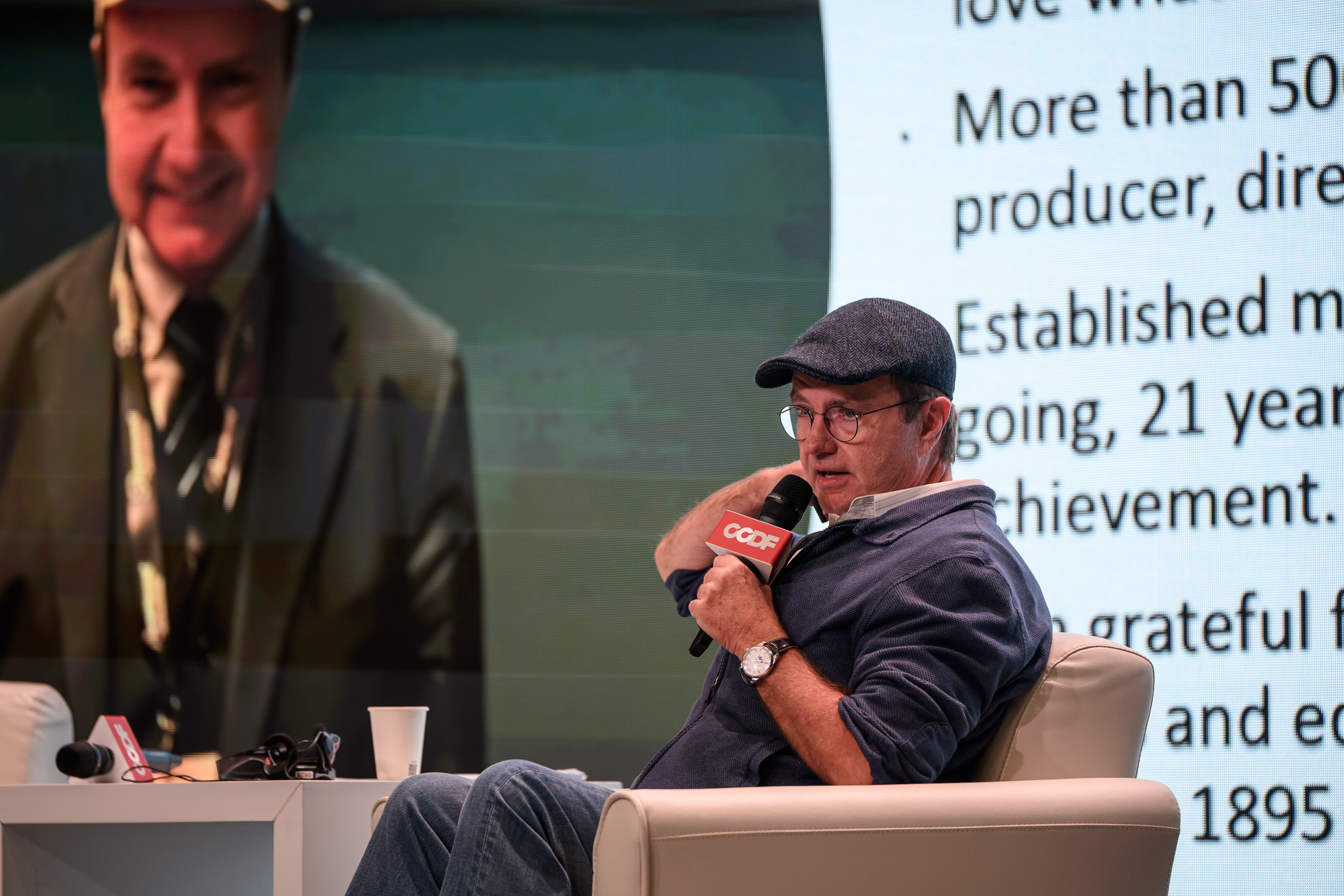
But alongside these creative triumphs, Jennings shifted to a sober breakdown of the structural changes reshaping the marketplace. Even as global appetite for nonfiction grows, funding continues to contract. Where networks once fully financed commissions and acquired worldwide rights, many now purchase only limited territories—often just the U.S. and U.K.—leaving IP with producers but cutting budgets by half. This shift toward what Jennings called the “U.K. model” effectively forces production companies to operate as distributors, managing acquisitions, negotiating territorial rollouts, and sustaining revenue across multiple windows.
“It’s exhausting,” he admitted. “I just want to tell stories.” Nevertheless, he emphasised that adapting to this new model is unavoidable for anyone hoping to remain viable.
Pitching has also transformed dramatically. Jennings recalled selling shows in the early History Channel era with little more than a single sentence. Today, a greenlight requires elaborate 16- to 20-page pitch decks—with visual tone references, structured beats, preliminary graphics—and highly polished sizzle reels that look broadcast-ready. His current series in development spent three full months in preparation before it was even shown to a network.
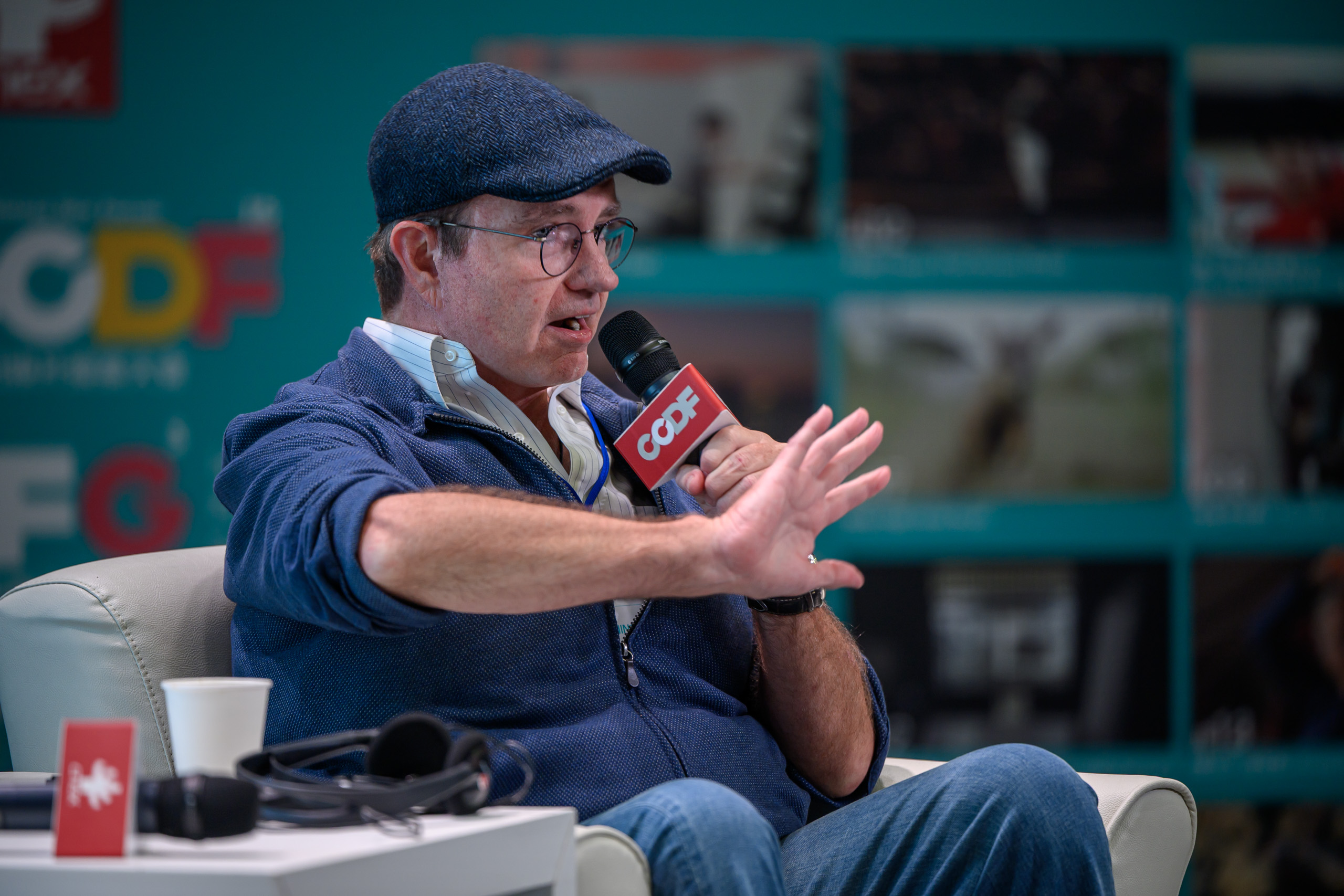
Despite rising barriers, Jennings argued that what still breaks through are either entirely new stories or fresh entry points into familiar ones. His upcoming Titanic project, built from more than 100 rare audio recordings of survivors made in the 1930s and 1940s, uses no narration or reenactments—only the voices of those who lived through the disaster. “It’s a time machine,” he said. “That’s what audiences want—to feel like they’re there.”
A significant portion of the conversation focused on artificial intelligence. Jennings described AI as a “loaded gun on the table”—full of potential yet capable of undermining trust if misused. While some clients now prohibit even AI-assisted research, others welcome its ability to reduce archival costs by as much as 75 percent. His company has used AI to generate imagery of 16th-century London for an educational series, dramatically lowering licensing expenses. Still, he remains wary of AI’s implications for authenticity, recalling how networks rejected a proposed series featuring AI-generated voice models of Malcolm X reading his autobiography. “It was too freaky for them,” he said. “But I’m keeping that idea. You never throw anything out.”
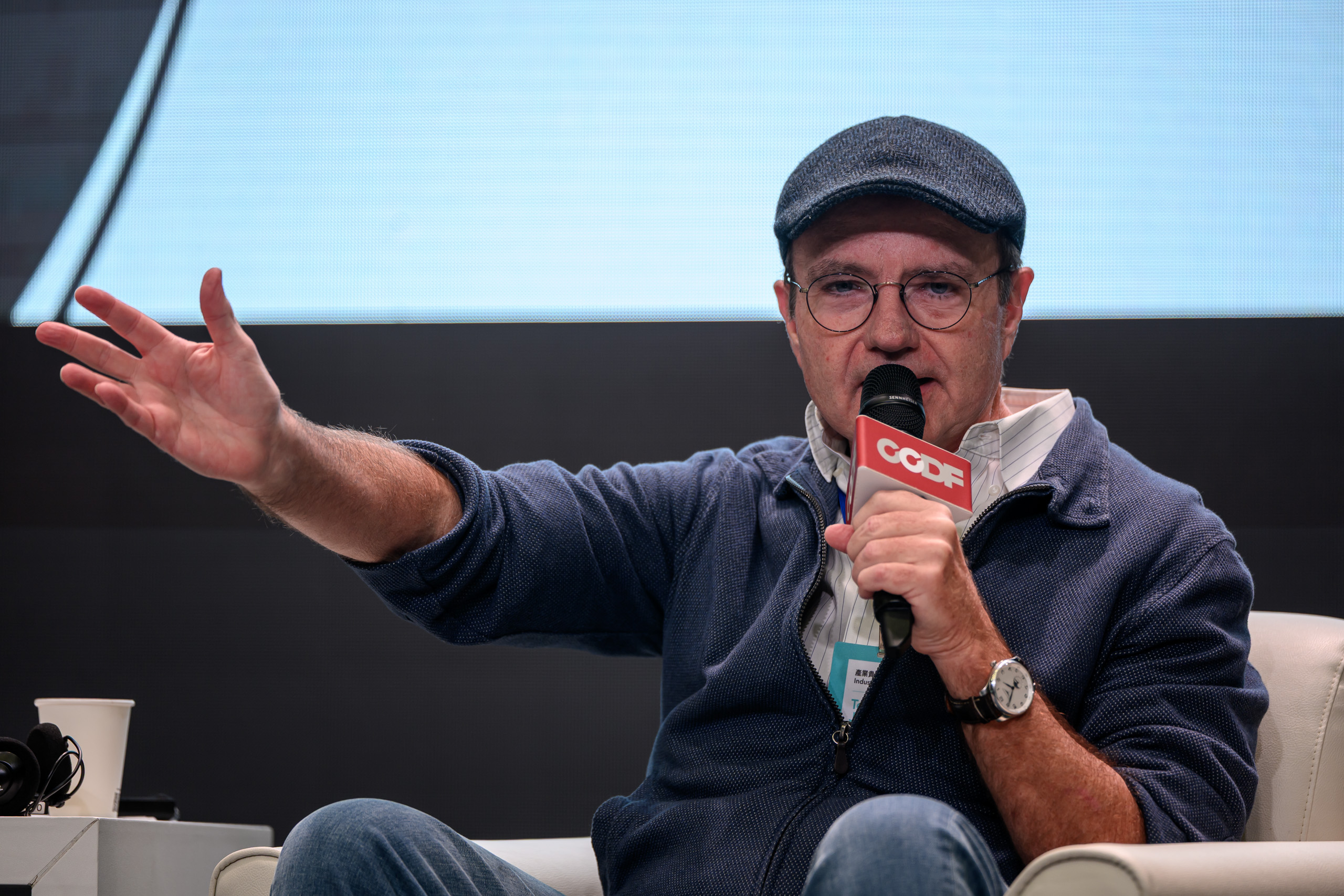
During the Q&A, Jennings addressed the anxieties of emerging filmmakers. His advice was blunt and practical: learn multiple skills (“I still regret not learning to edit”), diversify income streams, and embrace branded content or educational films as legitimate ways to sustain a creative life. He also acknowledged that some independent projects may require unpaid collaboration or profit-sharing agreements just to reach completion. For Jennings, the emotional reward of watching an audience absorb your work in a cinema remains irreplaceable.
Looking ahead, Jennings believes the streaming bubble has burst. Platforms are pivoting toward ad-supported tiers reminiscent of traditional television, signalling a possible return to more stable—if smaller—funding models. Filmmakers, he said, must adapt accordingly: plan meticulously, limit unnecessary shooting, stay focused on thematic intent, and remain flexible as distribution systems continue to evolve.
He closed on a note that balanced realism with confidence in the medium’s enduring power. Technology may reshape workflows, markets may fluctuate, and budgets may shrink, but the core of documentary storytelling remains unchanged. “If authenticity exists,” he said, “you just need to stand back and let it happen. As long as there are good stories, the world will always want to listen.”